The idea of getting something for free has begun to trickle into our daily lives via technology. We can scour the app store to download free versions of games and prog rams. We can peruse the internet at our leisure clicking through sources of information without so much as paying a penny (especially if we surf the web at the library). We can communicate with individuals via email, Facebook, Twitter, and the like from across the globe with near instant connectivity without cost. Continue reading “Data Dollars”

 Perfection is to life as comfort is to transatlantic economy class; literally impossible. Without perfection, there are always arguments to make, always fights to pick, and always complaints to be had. Though we consciously admit there is never a perfect solution, we still, time and time again, strive for the ridiculousness of perfection.
  I have recently seen a smorgasbord of articles, blogs, videos, opinions and the like discussing a seemingly benign topic: how to read a book. At first, glance, I thought the topic was dumb; “uh, you open the page, read left to right, top to bottom, and turn the page when you get to the end.” I couldn’t fathom what the individuals were trying to convey; however, after continuous bombardment of the idea followed by a lengthy personal perusing, I reified the following four Q’s to help from everything from reading to working out to vacationing.
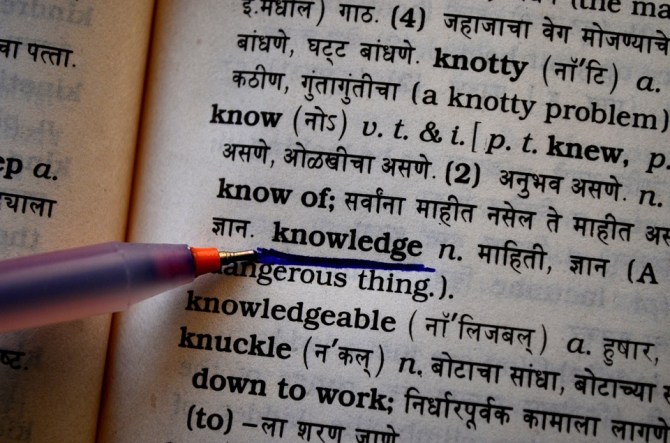 When we think about our lives, we rarely think about our lives. No, the previous sentence is not a typo, it is a belief. Maybe a better articulation is to write the sentence: When we think about our lives, we rarely think about our lives. The underlined “think” is essential, for it differentiates the same word in two radically different connotations; “think” means the normal definition of the word, whereas think is a deeper meaning that includes a significant commitment. We must strive for the underline. (A similar pattern is exuded in reading: one can read a book, or one can read a book.)
 If the definition of insanity is doing the same thing over and over while expecting different results, then why do we bother setting New Years resolutions (NYRs)? USA Today estimates that 80% of NYRs fail while Forbes magazine and New York Magazine both estimate a bleaker 92% failure rate within the calendar year. The failure is not only unsurprising, but is preventable!
 I just concluded rereading George Orwell’s grim novel 1984. The book painted a bleak picture of our future; however, such a future filled with “Big Brother,” “Thought Police,” and criminalization of nearly everything we enjoy, never came to exist (and I will venture to guess that it never will). Thought the fictitious world will remain fiction, one pillar of the made-up governmental structure remains terrifying to me: “Ignorance is Strength.”
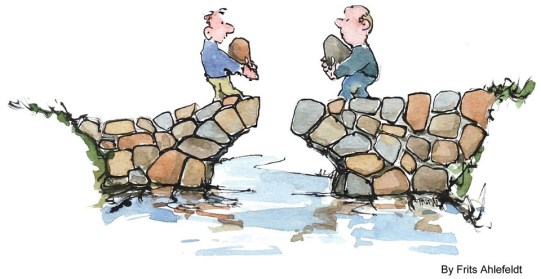 The 2016 election season has been one of the most unpredictable rollercoasters in the history of our nation’s politics. However, on November 8, 2016, the craziness comes to an abrupt halt as voters head to the polls and finalize their decisions about who will lead our country. America, a beacon of hope for millions across the globe, is going to be placed on two radically different tracks depending on the outcome of the presidential election. However, as America decides who will lead, we must ask the question: will the rest follow?
  When I have a bad day it is because of work being a struggle, a flat tire in the rain, a fight with my significant other, or my check engine light coming on indicating not only a burden to my car, but soon a burden to my wallet. These moments of despair are short lived; there is not light at the end of the tunnel, but rather I am already standing outside of the tunnel; a mere speedbump in the road, not a cliff.
 thereisnopeak.com